
PlasticStaffing – Leading Executive Search Firm | RPO

Career Paths

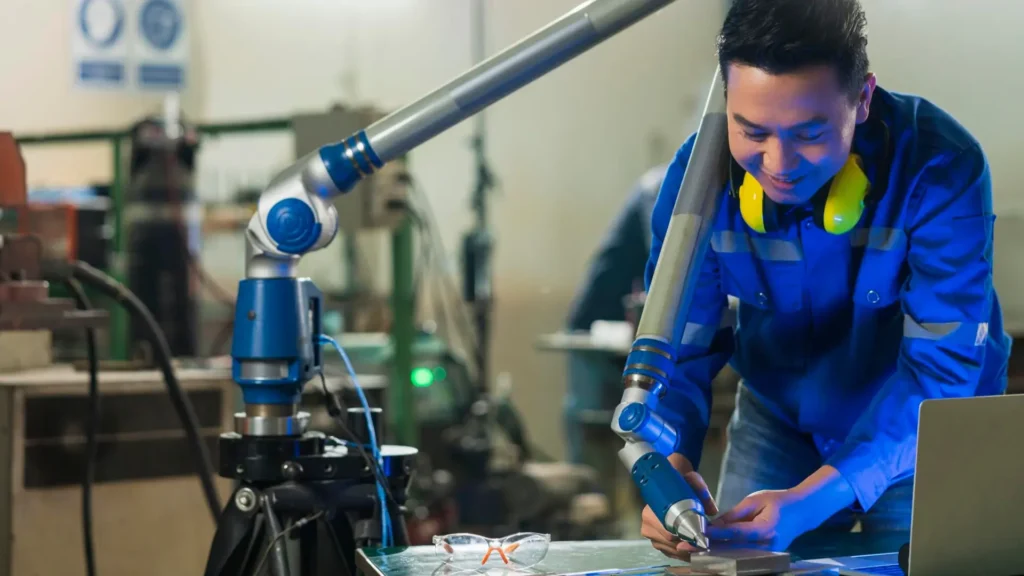
Engineer inspecting precision injection mold tooling for plastics production.
Career Paths

Tooling & Mold Sales Careers: High-Earning Roles in Medical, Aerospace & Electronics Plastics

In tooling and mold sales, you’re not pitching a commodity, you’re selling engineering expertise, manufacturing capability, risk mitigation, and long-term partnerships. One deal can be worth $100,000 to over $1.5 million, and the people who do this well routinely earn $160K–$300K in total compensation.
As medical, aerospace, and electronics manufacturers demand tighter tolerances, faster launches, and higher quality standards, tooling & mold sales careers have quietly become some of the highest-earning and most strategic sales roles in the plastics industry.
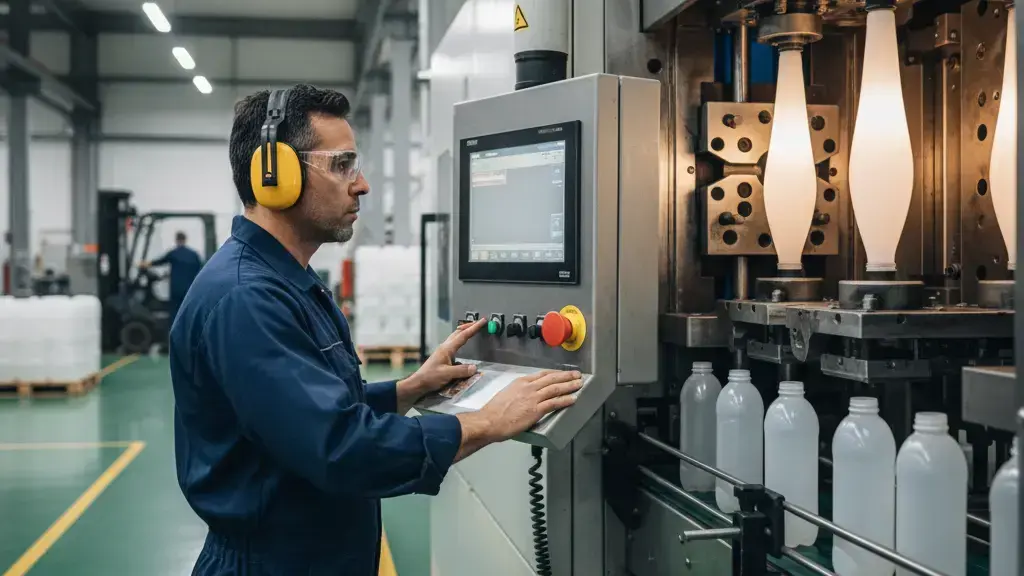
Blow molding technician operating extrusion blow molding equipment in a plastics manufacturing plant.
Career Paths

Blow Molding Careers: High-Paying Roles You Should Know (2026 Guide)

If you walk into any plastics manufacturing plant in the U.S. today whether it’s packaging, consumer goods, automotive fluid systems, industrial containers, medical devices, or custom plastics, you’ll find one technology powering some of the world’s most essential products: blow molding.
From fuel tanks and chemical containers to household bottles, toys, ducts, medical housings, industrial drums, and packaging, blow molding remains one of the most critical yet talent-short areas of plastics manufacturing.

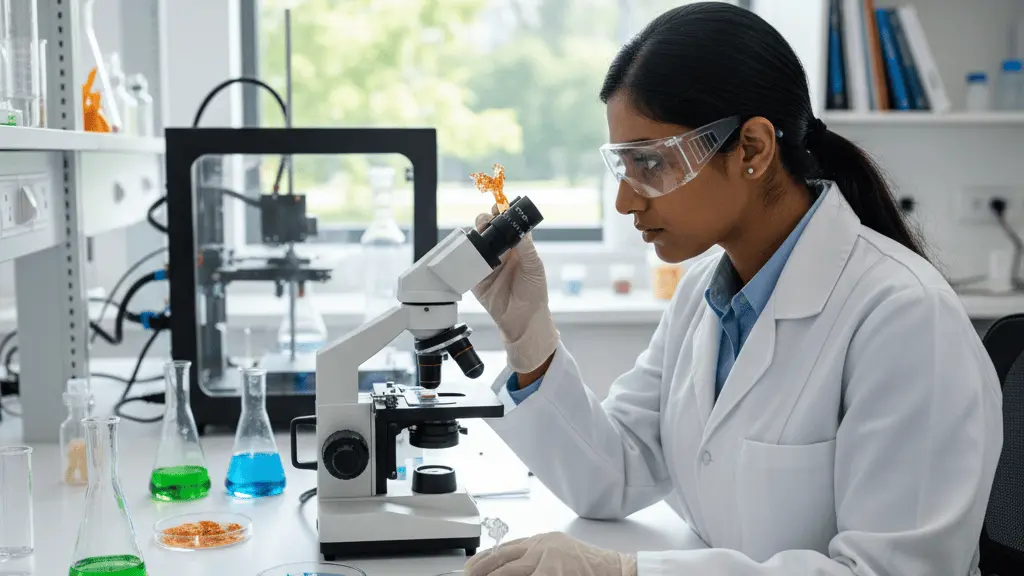
Polymer engineer analyzing sustainable materials and bioplastics in a research laboratory.
Career Paths

Polymer Innovation in 2026: Jobs and Skills in Demand

The world has quietly entered the next major era of materials innovation and polymers are at the center of it. If you walk through any advanced manufacturing facility today whether it’s automotive EV assembly, aerospace composites, medical device molding, packaging production, or consumer electronics, you’ll notice something:
Every innovation depends on new polymers, better materials, stronger composites, and more sustainable chemistry.
This is why polymer engineering jobs, polymer research positions, bioplastics careers, and sustainable materials roles are seeing explosive demand in 2026.

Thermoforming technician operating an automated plastic forming machine in a manufacturing facility.
Career Paths

Thermoforming Jobs: What Employers Look For in 2026

The plastics manufacturing industry is transforming fast, and thermoforming is right at the center of it.
Once viewed as a purely mechanical trade, thermoforming has evolved into a technology-driven, precision-based discipline where skilled professionals operate advanced forming machines, manage process automation, and deliver consistent, high-quality products across packaging, automotive, medical, and consumer goods sectors.
As we move into 2026, employers are looking for thermoforming technicians and forming operators who can do far more than run machines. They’re seeking adaptable professionals who understand materials, automation, safety, and sustainability, and who can keep pace with the growing complexity of modern plastics forming careers.

Materials scientist testing polymer samples in a plastics manufacturing laboratory.
Career Paths

Why Material Science Jobs Are the Future of Plastics Manufacturing

The global plastics industry is undergoing a historic transformation, one driven not just by automation or AI, but by materials innovation. As sustainability, performance, and cost-efficiency become top priorities, material science professionals are emerging as the true architects of the industry’s future.
From polymer engineers designing biodegradable resins to composite materials scientists developing lightweight automotive components, material science is redefining what plastics can do and how responsibly we make them.

Extrusion technician operating plastic extrusion machine on a manufacturing floor.
Career Paths

Extrusion Technician Career Guide: Job Description, Skills, and Opportunities

Plastics manufacturing is evolving fast, driven by automation, smart factories, and global demand for high-quality materials. Behind this transformation are skilled professionals who keep production running smoothly — among them, the extrusion technician.
If you’ve ever worked with or seen products like plastic tubing, sheets, profiles, or wiring insulation, chances are they were produced on an extruder. Operating that machine takes technical precision, mechanical understanding, and hands-on skill — the hallmarks of a great extruder technician.

Injection molding technician operating a plastic molding machine in a manufacturing factory.
Career Paths

Injection Molding Careers: Where to Start & How to Progress

If you’ve ever held a plastic product in your hand — from a medical syringe to a car dashboard — chances are it was made using injection molding. This high-precision manufacturing process is one of the most critical in the modern plastics industry, producing billions of components every year. Behind those machines are the skilled professionals who make it all possible: injection molding technicians, molding operators, process engineers, and mold makers.
As automation, sustainability, and smart factory technology transform the plastics sector, injection molding careers are becoming more diverse, better-paying, and future-ready. Whether you’re looking to enter the field or move up the career ladder, this guide will walk you through every step — from entry-level molding operator roles to advanced mold-making and engineering careers.

Plastics engineer working in a manufacturing factory
Career Paths

What It’s Like to Be a Plastics Engineer in 2026

Plastics engineering has always been at the crossroads of innovation, design, and manufacturing. In 2026, however, the role of a plastics engineer is expanding faster than ever. With global shifts toward sustainability, smart manufacturing, and advanced polymers, plastics engineers are not just problem-solvers — they’re leaders in reshaping the future of industries ranging from packaging to aerospace. If you’re exploring plastics engineering jobs or considering a polymer engineer career, this guide will walk you through what the role looks like today and how it is evolving. We’ll explore career paths, required skills, salary expectations, and the new frontiers plastics engineers are tackling. What Does a Plastics Engineer Do? A plastics engineer specializes in designing, developing, and improving plastic materials, products, and processes. Their work spans industries such as automotive, medical devices, consumer packaging, construction, and electronics. Core Responsibilities in 2026 Material Innovation:

Extruder operator standing confidently with arms crossed in a plastics manufacturing factory
Career Paths

Extruder Operator Jobs: What Employers Want in 2026

The plastics industry is one of the largest manufacturing sectors in the world, producing everything from food packaging and automotive parts to construction materials and medical devices. At the core of this industry are extruder operators — skilled professionals responsible for running the machines that shape raw plastic into usable products.
With plastics manufacturing becoming more automated, data-driven, and sustainability-focused, employers are setting higher standards for these roles. If you are looking for extrusion operator jobs or you’re an employer hoping to recruit the best talent, understanding what the job requires, what skills are in demand, and how salaries compare across the U.S. is crucial.

Workers in a plastics recycling factory inspecting sustainable materials and processing equipment
Career Paths, Job Search Tips

Top Skills Needed for a Career in Plastics Recycling

Plastics recycling is more than just an environmental initiative—it’s a growing industry that creates long-term career opportunities. As global demand for sustainable materials increases, companies across the world are investing in advanced plastics recycling processes and hiring skilled professionals to lead innovation, efficiency, and sustainability.
If you are considering a career in this field, it’s crucial to understand what skills are most valued by employers, the career paths available, and how you can position yourself to succeed in an industry focused on waste reduction jobs and building a circular economy.

Scroll to Top