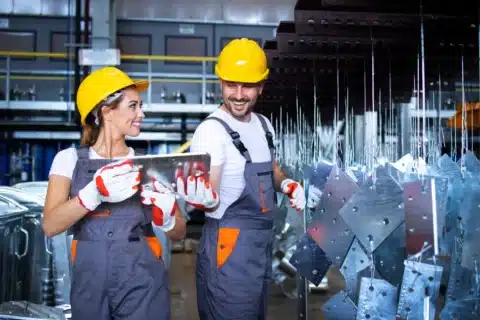

Plastics manufacturing is evolving fast, driven by automation, smart factories, and global demand for high-quality materials. Behind this transformation are skilled professionals who keep production running smoothly — among them, the extrusion technician.
If you’ve ever worked with or seen products like plastic tubing, sheets, profiles, or wiring insulation, chances are they were produced on an extruder. Operating that machine takes technical precision, mechanical understanding, and hands-on skill — the hallmarks of a great extruder technician.
This guide will walk you through everything you need to know about this career: what extrusion technicians do, their responsibilities, salary expectations, training paths, and how to grow into advanced technical or leadership roles in the industry.
What Does an Extrusion Technician Do?
Overview of the Role
An extrusion technician operates and maintains machinery that shapes thermoplastic materials into continuous forms — such as sheets, pipes, films, or custom profiles. These parts are used in almost every manufacturing sector: packaging, automotive, medical, construction, and electronics.
Extrusion technicians are responsible for ensuring consistent product quality by monitoring temperature, pressure, speed, and material feed throughout production. They are problem-solvers, equipment operators, and quality controllers all in one.
Extrusion Technician Job Description
Key Responsibilities
A typical extrusion technician job description includes a mix of technical, operational, and quality tasks. While duties vary by company, most technicians are responsible for:
- Setting up and preparing extrusion lines for production.
- Loading raw plastic pellets or materials into hoppers.
- Adjusting machine parameters like temperature, pressure, and screw speed.
- Performing startup, shutdown, and changeovers between production runs.
- Conducting visual and dimensional quality checks using calipers and micrometers.
- Troubleshooting issues such as uneven output, bubbles, or die buildup.
- Recording production data, output, and machine performance.
- Cleaning dies, filters, and cooling systems regularly.
- Maintaining safety and housekeeping standards in the work area.
Secondary Duties
In addition to operating machines, extrusion technicians often:
- Support maintenance teams with equipment repairs and lubrication.
- Assist engineers in testing new materials or dies.
- Train junior operators and production helpers.
- Suggest improvements for productivity and scrap reduction.
Work Environment & Shift Patterns
Extrusion technicians typically work in manufacturing plants or plastics processing facilities. Production runs 24/7 in many factories, so technicians may work:
- 8–12-hour shifts (day, night, or rotating).
- Weekends or overtime during high-demand seasons.
The environment can be warm and noisy, with machinery running continuously, but safety protocols, PPE, and modern ventilation make conditions manageable.
Physical requirements:
- Standing for long periods.
- Lifting 25–50 pounds.
- Bending, climbing, and handling tools and materials.
If you enjoy hands-on, active work and solving problems on the go, the extrusion floor can be an exciting place to build a lasting career.
Skills and Qualifications for Extrusion Technicians
Essential Technical Skills
Successful extrusion technicians combine mechanical know-how with attention to detail. Common skills employers look for include:
- Machine operation: Setting up and running extrusion lines safely and efficiently.
- Process monitoring: Understanding process variables (temperature, screw speed, pressure).
- Troubleshooting: Diagnosing and correcting mechanical or material issues.
- Quality inspection: Using measurement tools (micrometers, gauges, calipers).
- Blueprint and work order reading: Interpreting part specifications and production plans.
- Preventive maintenance: Performing minor repairs, cleaning, and die changes.
Soft Skills
- Strong communication and teamwork.
- Analytical thinking and problem-solving.
- Dependability and consistency under pressure.
- Adaptability to shift work and changing priorities.
Education & Training Requirements
- Minimum Education: High school diploma or GED.
- Preferred: Technical school certification in manufacturing, machining, or plastics processing.
- On-the-job training: Most technicians start as helpers or operators and receive training from senior technicians or supervisors.
- Certifications: Some companies prefer candidates with credentials like:
- RJG or Paulson Training (scientific processing principles).
- NIMS or Tooling U certifications (for mechanical or tooling expertise).
Extrusion Technician Salary Overview
Salaries vary by region, experience, and specialization. Based on U.S. data from ZipRecruiter, Indeed, and Glassdoor (2025–2026):
- Entry-Level Extrusion Technician: $38,000 – $45,000 per year
- Mid-Level Technician (2–5 years): $48,000 – $60,000 per year
- Senior / Lead Extruder Technician: $65,000 – $75,000 per year
- Extrusion Process Engineer or Supervisor: $80,000 – $95,000+ per year
Pay tends to be higher in states like Indiana, Texas, Ohio, Michigan, and Wisconsin, where plastics manufacturing is concentrated.
Some employers also offer:
- Shift differentials ($2–$3/hour extra for nights).
- Overtime and production bonuses.
- Full benefits and training stipends.
Career Growth Opportunities in Extrusion
Unlike many industrial roles, extrusion careers offer clear paths for advancement. With technical skill and initiative, you can move from operator to engineer in just a few years.
Typical Career Path
- Extrusion Operator / Helper: Learn machine operation basics and safety protocols.
- Extrusion Technician: Run full production lines independently and handle troubleshooting.
- Lead Technician / Line Supervisor: Oversee multiple lines, manage teams, and maintain productivity targets.
- Process Engineer: Optimize extrusion parameters, test new materials, and support R&D.
- Production or Plant Manager: Manage departments, budgets, and performance.
Specialized Career Tracks
- Tooling & Die Maintenance: Focus on die polishing, alignment, and replacement.
- Quality Control: Move into product testing and process documentation.
- Automation & Robotics: Work on integration of smart sensors and robotic pullers.
- Materials Science: Research sustainable polymers and advanced resins.
Training and Certification Paths
Vocational & Apprenticeship Programs
Many extrusion technicians enter the trade through technical schools, apprenticeships, or on-the-job training.
Recommended programs:
- Local community college courses in Plastics Technology or Industrial Maintenance.
- Apprenticeships sponsored by manufacturers (covering setup, QC, and maintenance).
Professional Certifications
- RJG Scientific Processing Certification: Master process optimization and scientific molding.
- Paulson Training Programs: Learn extrusion and plastics fundamentals through hands-on or online modules.
- NIMS Machining Credentials: Valuable for technicians who handle tooling or CNC equipment.
Continuous Learning
Employers value technicians who stay updated on:
- New materials (bioplastics, recycled resins).
- Automation and AI in extrusion.
- Lean manufacturing and 5S practices.
Upskilling ensures steady career advancement and job security.
Industries Hiring Extrusion Technicians
Extrusion technology is used across multiple manufacturing sectors. Here are some of the largest employers of extrusion talent:
- Packaging Solutions: Films, bottles, sheets, and flexible packaging.
- Medical & Pharmaceutical: Tubing, catheters, diagnostic strips, and sterile profiles.
- Automotive & Aerospace: Wiring, seals, and lightweight polymer components.
- Building & Construction: Pipes, profiles, and structural panels.
- Telecom & Electronics: Insulation, cables, and casings.
- Consumer Products: Furniture parts, sporting goods, and home goods.
Each industry offers different specializations — for example, working in medical extrusion may require cleanroom experience, while automotive extrusion focuses on high-volume precision.
Future Outlook for Extrusion Technician Careers
Rising Demand for Skilled Operators
Automation may streamline processes, but it can’t replace the need for technicians who understand materials and machine behavior. Skilled extrusion professionals are in high demand, especially as older workers retire.
Growth in Sustainable Plastics
Recycling and circular economy initiatives are creating new materials and extrusion technologies. Technicians who can handle biodegradable and recycled polymers will have a competitive advantage.
Smart Factories & Industry 4.0
The future of extrusion involves:
- Real-time data tracking via IoT sensors.
- AI-driven quality monitoring.
- Predictive maintenance systems.
Learning to interpret this data will make technicians more valuable in the years ahead.
How to Stand Out as an Extrusion Technician
If you’re aiming to advance or secure higher-paying roles, here’s how to differentiate yourself:
- Master your machine: Know every function, from die setup to cooling rates.
- Track your improvements: Keep records of scrap reduction, cycle time improvement, or new material trials.
- Communicate effectively: Collaborate with maintenance, quality, and engineering teams.
- Prioritize safety and precision: Employers value consistent, reliable performers.
- Stay curious: The plastics industry evolves quickly — continuous learning keeps you ahead.
Frequently Asked Questions (FAQ)
Q: What qualifications do I need to become an extrusion technician?
Most employers require a high school diploma or equivalent, but technical school or manufacturing certifications can improve job prospects.
Q: How much do extrusion technicians make in the U.S.?
Average pay ranges from $40,000–$65,000, with experienced technicians or leads earning $70,000+ annually.
Q: What’s the difference between an extrusion operator and an extrusion technician?
Operators typically handle machine loading and basic monitoring, while technicians perform setup, process adjustments, and troubleshooting.
Q: Are extrusion technician jobs in demand?
Yes. Plastics manufacturing continues to expand, especially in medical, automotive, and packaging industries, leading to steady hiring nationwide.
Q: How can I move up from extrusion technician to engineer?
Pursue additional training (e.g., Paulson or RJG), learn process optimization, and gain leadership experience. Many engineers start as technicians.
Final Thoughts
A career as an extrusion technician offers hands-on work, job stability, and opportunities to grow into higher-paying technical or leadership positions.
From the moment you start learning to set up an extruder, you become part of a process that shapes industries — quite literally. As manufacturing adopts smarter machines and greener materials, technicians who combine mechanical skill, process understanding, and adaptability will be in highest demand.
Whether you’re new to manufacturing or already working in plastics, extrusion offers a rewarding path with long-term potential — a career built on precision, innovation, and craftsmanship.