The Polymer Talent Boom Has Arrived
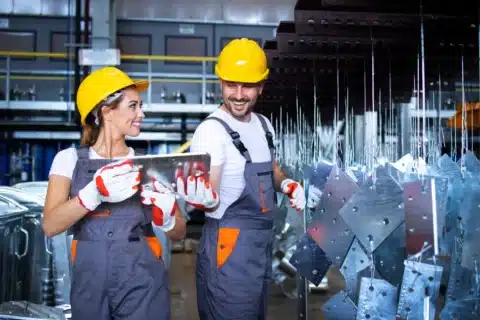
The world has quietly entered the next major era of materials innovation and polymers are at the center of it. If you walk through any advanced manufacturing facility today whether it’s automotive EV assembly, aerospace composites, medical device molding, packaging production, or consumer electronics, you’ll notice something:
Every innovation depends on new polymers, better materials, stronger composites, and more sustainable chemistry.
This is why polymer engineering jobs, polymer research positions, bioplastics careers, and sustainable materials roles are seeing explosive demand in 2026.
Companies aren’t just looking for engineers, they’re looking for problem-solvers who can reinvent materials for a world demanding cleaner, safer, lighter, smarter, and more recyclable products.
Whether you’re a recent graduate, a mid-career materials scientist, or an experienced polymer engineer thinking about the next step, there has never been a better time to build a future in polymer innovation.
Let’s explore the jobs, skills, salaries, and opportunities shaping the polymer landscape in 2026.
Why Polymer Innovation Is Exploding in 2026
Polymer careers aren’t growing by accident, they’re growing because the world has changed. Here are the big forces driving demand:
1. The Push Toward Sustainable Materials Is Reshaping Entire Industries
For the first time in history, sustainability mandates are directly influencing job creation across materials science.
Plastics companies, packaging giants, automotive OEMs, and consumer brands now invest heavily in:
- Bioplastics (PLA, PHA, cellulose-based)
- PCR (post-consumer recycled) resin integration
- Bio-based alternatives to traditional polyethylene and polypropylene
- Low-carbon polymer manufacturing
- Chemical recycling and depolymerization
- Compostable packaging materials
- Green additives, non-toxic stabilizers, and plasticizers
This has created significant demand for:
- Sustainable materials engineers
- Bioplastics engineers
- Polymer scientists specializing in recyclability
- LCA (Life Cycle Assessment) specialists
- R&D chemists for new eco-friendly formulations
The world wants better materials and companies need people who can create them.
2. Electrification, Lightweighting & High-Performance Polymers Are Essential
Electric vehicles, aerospace systems, medical device housings, drones, satellites, and next-gen electronics all rely on specialty polymers and composite materials.
These materials must be:
- Strong
- Lightweight
- Thermally stable
- Chemically resistant
- Cost-effective
- Often recyclable
High-performance polymers like PEEK, PPS, LCP, TPU, PC blends, high-temperature nylons, and advanced thermosets are more in demand than ever.
This creates career growth for:
- Polymer materials engineers
- Composite materials specialists
- Polymer manufacturing engineers
- Simulation engineers
- Polymer testing engineers
If you love designing materials that perform under extreme conditions, this is your decade.
3. Automation & Digitalization Are Transforming Polymer Manufacturing
The modern polymer manufacturing plant looks nothing like it did 10 years ago.
Automation is no longer limited to part removal or simple process control now we see:
- AI-assisted melt flow prediction
- Digital twins for extrusion or molding
- Robotics handling compounding, feeding, measuring, and packaging
- Sensors tracking molecular weight, viscosity, and cooling dynamics
- Predictive maintenance for polymer processing lines
- Real-time analytics for process optimization
- Automated compounding systems for precision formulations
This shift requires polymer engineers who can work comfortably at the intersection of:
- Material behavior
- Data analysis
- Manufacturing automation
- Process modeling
- Quality forecasting
It’s a hybrid career path, part scientist, part engineer, part technologist.
Top Polymer Jobs in 2026 (and What They Actually Do)
Let’s break down the polymer careers with highest demand in the U.S. job market for 2026.
1. Polymer Engineer
What You’ll Do
- Develop and test polymer formulations
- Select materials for product design
- Optimize processes for molding, extrusion, compounding
- Troubleshoot resin behavior and defects
- Collaborate with R&D, production, tooling, and quality teams
Why It’s in Demand
Polymer engineers bridge science and real-world manufacturing making them invaluable.
2. Materials Scientist (Polymers Focus)
Daily Responsibilities
- Conduct experiments on polymer structure and performance
- Characterize materials using thermal, mechanical, and chemical testing
- Lead development of next-generation materials
- Work in high-tech labs across chemicals, aerospace, electronics
Industries Hiring
- Aerospace
- EV battery enclosures
- Medical components
- Specialty packaging
- Electronics
3. Polymer Research Scientist
Focus Areas
- Bioplastics research
- Polymer degradation mechanisms
- Novel additives and stabilizer systems
- Advanced composites
- Smart polymers (UV-responsive, conductive, or shape-memory materials)
Where You’ll Work
- Corporate R&D labs
- Research universities
- Polymer startups
- Innovation accelerators
4. Sustainable Materials Engineer
Their Mission
Help companies replace legacy plastics with eco-friendly, circular materials.
Key Tasks
- LCA analysis
- Material recyclability studies
- Formulation of biodegradable alternatives
- PCR incorporation strategies
- Regulatory compliance (FDA, ISO, RoHS)
This job exists today because sustainability is now a business requirement not an optional initiative.
5. Polymer Manufacturing Engineer
The “bridge” role between R&D and production.
Responsibilities
- Scale formulations from test lab → pilot → full manufacturing
- Improve extrusion, molding, or compounding processes
- Evaluate resin behavior at scale
- Reduce defects related to flow, crystallization, cooling, or moisture
This is one of the most practical and plant-focused polymer roles.
6. Bioplastics Engineer
This is one of the fastest-growing polymer careers in the U.S.
What They Focus On
- PLA, PHA, PBS, and hybrid biopolymers
- Degradation and compostability standards
- Processability (extrusion, thermoforming, molding)
- Material behavior under varying humidity, heat, and microbial exposure
7. Polymer Process Engineer
Core Work
- Process optimization
- Machine parameter tuning
- Scientific molding
- Extrusion die design and troubleshooting
- Lean manufacturing & DOE application
These engineers keep polymer manufacturing efficient, consistent, and cost-effective.
Skills That Will Define Polymer Careers in 2026
Here are the skills employers are actively searching for but struggling to find.
Technical Skills (Hard Skills)
1. Polymer Chemistry Fundamentals
- Monomers
- Polymerization kinetics
- Crystallinity
- Molecular weight distribution
- Polymer blends & compatibilizers
2. Rheology & Melt Flow Behavior
Companies want engineers who can understand:
- Shear thinning
- Viscosity stability
- Melt strength
- Flow instabilities
- Die swell
3. Material Characterization Methods
Employers expect experience with:
- FTIR
- GPC
- DSC
- TGA
- DMA
- SEM
- Rheometers
If you know these tools, your résumé goes to the top.
4. Processing Expertise
Hands-on experience in:
- Injection molding
- Extrusion
- Blow molding
- Thermoforming
- Compounding
- Film & sheet processes
Process + chemistry = a rare and valuable combination.
5. Simulation & Modeling
Skills that give job seekers a massive edge:
- Moldflow
- ANSYS
- COMSOL
- Digimat
- FEA
- CFD
6. Sustainability & LCA Knowledge
Companies want people who can:
- Evaluate carbon footprint
- Design recyclable materials
- Validate compostability
- Understand green chemistry
7. Data Literacy & Digital Manufacturing
In future factories, polymer engineers must interpret:
- SPC charts
- Digital twins
- Machine learning predictions
- Real-time viscosity curves
- Process monitoring dashboards
Soft Skills (The Underrated Game-Changers)
- Communication across R&D, production, quality, and supply chain
- Creative problem-solving
- Curiosity-driven research mindset
- Ability to explain scientific concepts in simple terms
- Documentation accuracy
- Collaboration and cross-discipline teamwork
Today’s polymer professionals must be both technical and communicative.
Where Polymer Jobs Are Growing: U.S. Regional Breakdown
Here’s which U.S. regions have the strongest hiring for polymer roles in 2026:
Midwest – #1 Region
States: Michigan, Ohio, Illinois, Indiana
Why: Automotive, EV, compounding, molding, advanced materials
Roles:
- Polymer Engineer
- Materials Scientist
- Compounding Specialist
- Polymer Manufacturing Engineer
West Coast – Innovation Hub
States: California, Washington, Oregon
Why: Bioplastics startups, sustainability R&D, medical device manufacturing
Roles:
- Bioplastics Engineer
- Sustainable Materials Engineer
- Polymer Research Scientist
South – Rapid Growing Corridor
States: Texas, Georgia, North Carolina, Tennessee
Why: Polymers, packaging, compounding megasites
Roles:
- Polymer Process Engineer
- Extrusion materials roles
- Senior polymer R&D scientists
Northeast – R&D and Pharma Hotspot
States: Massachusetts, New Jersey, Pennsylvania, New York
Why: Advanced R&D labs, pharma packaging, specialty plastics
Roles:
- Materials Scientists
- Polymer Chemists
- Senior polymer research roles
Salary Guide for Polymer Roles in 2026 (Bullet Format)
Here are the typical salary ranges (U.S.) based on aggregated Glassdoor & ZipRecruiter data:
- Entry-Level Polymer Engineer: $65,000–$80,000
- Mid-Level Polymer Engineer: $85,000–$110,000
- Senior Polymer Engineer: $115,000–$140,000
- Materials Scientist: $90,000–$130,000
- Polymer Research Scientist: $100,000–$150,000
- Sustainable Materials Engineer: $95,000–$145,000
- Polymer Manufacturing Engineer: $80,000–$110,000
- Bioplastics Engineer: $90,000–$130,000
Top-paying sectors:
- EV & automotive
- Aerospace
- Chemical companies
- Medical & pharma
Career Roadmap: How to Build a Future in Polymer Innovation
This roadmap will help candidates move from student → intern → engineer → specialist → leader.
Step 1: Education Pathway
- Bachelor’s in Polymer Engineering, Materials Science, Chemical Engineering, or Chemistry
- Master’s or PhD for research careers
Step 2: Build Hands-On Experience
- R&D internships
- Extrusion/molding lab projects
- Materials testing labs
- Co-op programs with chemical manufacturers
Step 3: Master the Tools
Learn 6–10 of these before graduation:
- FTIR
- DSC/TGA
- Rheometer
- Moldflow
- CAD/CAE tools
- GPC
- Tensile & impact testing equipment
Step 4: Choose a Career Track
Popular tracks in 2026:
- Sustainable polymers
- High-performance composites
- Bioplastics
- Packaging innovation
- Automotive polymers
- Medical-grade materials
- Extrusion & processing science
Step 5: Build a Technical Portfolio
Include projects like:
- Polymer blend development
- Biopolymer processing study
- Recycling or reprocessing trials
- DOE optimization experiment
- Material testing reports
- Moldflow simulation case studies
How Employers Can Attract Polymer Talent in 2026
As polymer talent becomes scarce, employers need to adapt fast.
1. Modern Job Titles (Matter More Than You Think)
Use future-driven titles such as:
- “Polymer Innovation Engineer”
- “Sustainable Materials Specialist”
- “Bioplastics Process Engineer”
These attract younger, impact-driven talent.
2. Showcase a Culture of R&D & Innovation
Top engineers want:
- Modern labs
- Cutting-edge equipment
- Funded experimentation
- Time for innovation
3. Offer Growth Pathways
Highlight:
- Senior engineer tracks
- Leadership roles
- R&D management paths
- Global project opportunities
4. Promote Sustainability as a Career Driver
Gen Z and Millennial engineers want meaningful work that benefits the planet.
Showcase:
- Recycling initiatives
- Material circularity efforts
- Carbon footprint reduction strategies
5. Partner With Specialized Polymer Recruiters
Polymer hiring is highly niche.
Recruiters like PlasticStaffing understand:
- Polymer chemistry
- Material testing
- Processing methods
- R&D expectations
This speeds up hiring and improves job-candidate alignment.
Frequently Asked Questions
Are polymer engineering jobs in demand in 2026?
Yes. Demand is at a decade-high due to sustainability, electrification, and advanced materials.
Do I need a master’s degree?
Not always. Entry-level engineers can start with a bachelor’s, but R&D roles often require graduate degrees.
Which polymer jobs pay the most?
Bioplastics, high-performance composites, and EV materials engineering top the list.
Are sustainable materials careers growing?
Massively, they’re one of the fastest-growing subfields.
Which industries hire polymer engineers?
Automotive, aerospace, packaging, consumer goods, chemical companies, and medical devices.
Final Thoughts
Polymer innovation is at the center of global change. From sustainable materials to electric vehicles to medical devices, the future depends on the polymers we develop today.
For candidates, 2026 is a golden era for building a polymer career that blends science, innovation, and impact.
For employers, the companies that win will be those that invest in the talent, R&D culture, and sustainability mindset required to lead the next decade.
Polymer innovation isn’t just about designing better materials, it’s about shaping the future.