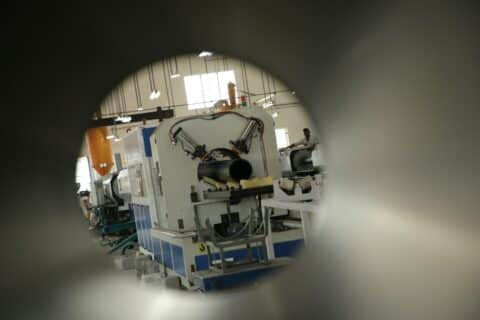

Blow molding has been a cornerstone of plastic manufacturing for decades, shaping everything from automotive fuel tanks to beverage bottles and medical components.
But as sustainability mandates, automation, and global competition transform the plastics industry, blow molding is entering a new era of technological innovation and workforce evolution.
Today’s plant leaders and hiring managers face two parallel challenges:
- Staying competitive with next-gen blow molding technology.
- Finding and retaining skilled operators, technicians, and engineers who can run increasingly automated, data-driven lines.
This guide explores the future of blow molding technology, emerging trends, and the hiring landscape shaping 2026 and beyond, so your business can stay ahead.
Understanding the Blow Molding Process
Before diving into future trends, let’s revisit what makes blow molding so critical.
Blow molding is a manufacturing process used to produce hollow plastic parts. It involves heating thermoplastic material and inflating it within a mold to form a specific shape, similar to blowing up a balloon.
There are three main types of blow molding processes:
1. Extrusion Blow Molding (EBM)
- Most common method, used for bottles, containers, and industrial parts.
- Involves extruding a molten tube (parison) which is then inflated inside a mold.
- Ideal for large-volume production and multi-layer structures.
2. Injection Blow Molding (IBM)
- Uses an injection-molded preform, which is then reheated and blown into shape.
- Offers precision and consistency, common in pharmaceutical and cosmetic packaging.
3. Injection Stretch Blow Molding (ISBM)
- Combines injection and stretch processes to enhance strength and clarity.
- Widely used in PET bottle manufacturing and beverage industries.
Why This Process Still Dominates
Despite emerging alternatives like 3D printing or thermoforming, blow molding remains unmatched in speed, efficiency, and scalability.
As sustainability, smart factories, and advanced resins reshape production, blow molding continues to evolve, not fade.
Emerging Technologies in Blow Molding
1. Automation and Industry 4.0 Integration
Automation is no longer optional, it’s the new competitive standard.
Modern blow molding machines are equipped with:
- Smart sensors for real-time process monitoring.
- Predictive maintenance algorithms to reduce downtime.
- Data dashboards that integrate with ERP systems.
- Collaborative robots (cobots) handling material feeding, packaging, and quality inspection.
Manufacturers using Industry 4.0 tools report:
- Up to 25% increase in production efficiency.
- 30–40% fewer unplanned downtimes.
- Improved process repeatability across shifts.
For hiring managers, this means the ideal blow molding operator is now part technician, part data analyst.
2. Sustainable Materials and Recycling
Global sustainability goals are driving a shift toward recyclable, bio-based, and lightweight materials.
Recent advances include:
- PCR (Post-Consumer Recycled) resins in extrusion blow molding.
- Bio-PET and bio-PE materials in packaging.
- Foam-core multilayer bottles that reduce material usage by 20–30%.
Brands are under pressure to meet ESG mandates, meaning manufacturers must adapt quickly, and they need skilled professionals who understand how these new materials behave under heat and pressure.
3. High-Efficiency Electric and Hybrid Machines
Traditional blow molding relied on hydraulics, but the industry is rapidly moving to electric and hybrid machines for:
- Energy savings up to 40%.
- Faster cycle times.
- Lower maintenance requirements.
Top machine manufacturers are developing modular, AI-assisted blow molders that adjust automatically to resin variability, a massive shift from manual tuning.
This transition requires technicians skilled in electrical systems, automation, and control logic, skills previously uncommon in traditional plastics plants.
4. Smart Tooling and Mold Design
Mold manufacturers are now integrating embedded sensors and temperature control systems into molds to monitor pressure and cooling rates.
Combined with CAD/CAM and simulation software, these advancements:
- Improve wall thickness control.
- Reduce scrap rates.
- Shorten setup times.
The result: higher-quality products and faster changeovers, but also a new level of technical complexity requiring a trained workforce.
Blow Molding Industry Trends Reshaping the Market
1. Reshoring of Plastics Manufacturing
The U.S. plastics sector is experiencing a reshoring boom, with companies bringing manufacturing back from overseas to shorten supply chains.
According to the Plastics Industry Association, over $14 billion in reshoring investments have been announced since 2020.
This has led to:
- Expansion of blow molding facilities in the Midwest and South.
- Increased hiring for process technicians, maintenance specialists, and production supervisors.
- Demand for multi-skilled operators who can handle setup, troubleshooting, and quality control.
2. Workforce Shortage and Skill Gap
While technology evolves rapidly, workforce training hasn’t caught up.
The U.S. Bureau of Labor Statistics projects steady demand for metal and plastic machine operators, with thousands of new openings annually, yet companies struggle to find qualified candidates.
Top hiring challenges include:
- Aging workforce and retirements.
- Lack of formal blow molding training programs.
- Candidates with mechanical aptitude but limited automation experience.
This has led many companies to partner with specialized staffing agencies like PlasticStaffing to source and train extrusion, injection, and blow molding professionals.
3. Shift Toward Flexible Manufacturing
Demand variability is pushing manufacturers to adopt smaller production runs, quicker changeovers, and flexible mold setups.
This trend is fueling hiring for:
- Setup technicians experienced in rapid tooling.
- Maintenance techs who understand quick calibration.
- Production planners with knowledge of lean manufacturing.
4. Regional Hiring Hotspots
Based on ZipRecruiter and Indeed data, the top U.S. regions hiring blow molding operators and technicians are:
- Indiana & Ohio – Automotive & packaging hubs.
- Texas – Rapidly growing manufacturing base.
- Illinois & Wisconsin – Medical and industrial blow molding.
- Georgia & North Carolina – Packaging and consumer goods.
Pay rates vary from $20–$30/hour for operators to $75,000+ annually for experienced process engineers.
The New Blow Molding Workforce: Skills Employers Seek
Core Technical Skills
To stay competitive, employers are prioritizing candidates with:
- Machine setup and process control expertise.
- Knowledge of PLCs, robotics, and sensors.
- Experience with multiple blow molding types (EBM, IBM, ISBM).
- Preventive maintenance and troubleshooting capability.
- Understanding of sustainable and recycled materials.
Soft Skills in Demand
As automation increases, “soft” skills matter more than ever:
- Analytical thinking and process optimization.
- Adaptability to new equipment or software.
- Team collaboration between production and maintenance.
- Continuous learning mindset.
Certifications & Training Programs
Employers value candidates trained through:
- Paulson Training Programs (Extrusion & Blow Molding modules).
- RJG Scientific Molding (for advanced processing).
- Lean Six Sigma (for continuous improvement roles).
Companies investing in upskilling are seeing higher retention and better production metrics.
Hiring Trends: What Companies Need to Know
1. Shortage of Experienced Operators
Recruiting experienced blow mold operators has become a critical pain point. Many candidates lack exposure to both machine operation and data systems.
Leading manufacturers now use:
- Apprenticeship models to train new hires internally.
- Staffing partnerships with niche recruiters specialized in plastics.
- Retention bonuses and flexible shifts to attract talent.
2. The Rise of Hybrid Roles
Automation means one technician may now manage multiple machines, blending production, maintenance, and quality responsibilities.
New job titles emerging:
- Blow Molding Process Technician
- Automation Specialist – Plastics Manufacturing
- Maintenance Engineer – Blow Molding Division
Employers that clearly define these evolving roles and offer growth paths gain a hiring advantage.
3. Diversity and Inclusion in Manufacturing
Women and younger professionals are entering technical trades at growing rates. Companies with mentorship programs and skill development initiatives are filling roles faster, and retaining talent longer.
The Business Case for Partnering with Specialized Staffing Firms
Finding the right blow molding talent isn’t just about job ads, it’s about understanding process needs, plant culture, and production goals.
Partnering with a specialized agency like PlasticStaffing offers key advantages:
- Access to a nationwide network of pre-screened blow molding professionals.
- Fast placement for roles like operators, technicians, and process engineers.
- Insights on market pay rates and regional talent pools.
- Reduced turnover through targeted, skill-matched placements.
Whether you’re scaling production or replacing retirees, working with experienced plastics recruiters helps you hire faster and smarter.
The Future: Technology and Talent Go Hand-in-Hand
The next generation of blow molding is smart, sustainable, and data-driven.
But the machines alone won’t drive progress, people will.
To remain competitive, manufacturers must:
- Invest in training programs that upskill existing teams.
- Build partnerships with technical schools and recruiters.
- Adopt flexible hiring strategies to close skill gaps quickly.
As the industry evolves, the companies that combine cutting-edge technology with top technical talent will lead the next chapter of plastics manufacturing.
Frequently Asked Questions (FAQ)
Q1: What are the top trends in blow molding technology for 2026?
Automation, sustainable resins, smart tooling, and energy-efficient machines are leading the way.
Q2: What types of jobs are in demand in blow molding?
Operators, process technicians, setup mechanics, and engineers with PLC or robotics experience.
Q3: What is the average salary for a blow molding operator?
Pay typically ranges from $45,000–$70,000 per year depending on skill level and state.
Q4: How can companies hire qualified blow molding operators faster?
Partner with specialized staffing agencies and offer apprenticeships or on-the-job training.
Q5: What is the long-term career path in blow molding?
Entry-level operators can progress to technicians, supervisors, process engineers, and plant managers, especially with automation and material expertise.
Final Thoughts
The future of blow molding is defined by transformation, smarter machines, greener materials, and a rapidly evolving workforce.
For manufacturing leaders, the challenge is clear:
Invest in both technology and talent to keep production efficient and sustainable.
For hiring managers, the opportunity lies in partnering with experts who understand both the process and the people behind it.
Blow molding isn’t just shaping plastic, it’s shaping the future of manufacturing itself.