
Introduction
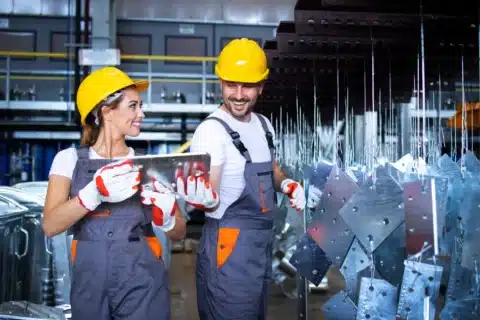
The plastics industry is one of the largest manufacturing sectors in the world, producing everything from food packaging and automotive parts to construction materials and medical devices. At the core of this industry are extruder operators — skilled professionals responsible for running the machines that shape raw plastic into usable products.
With plastics manufacturing becoming more automated, data-driven, and sustainability-focused, employers are setting higher standards for these roles. If you are looking for extrusion operator jobs or you’re an employer hoping to recruit the best talent, understanding what the job requires, what skills are in demand, and how salaries compare across the U.S. is crucial.
What Is an Extruder Operator?
Definition of the Role
An extruder operator — sometimes called a plastic extruder operator, extrusion machine operator, or extruder technician — oversees the extrusion process in manufacturing. Extrusion is the method of melting plastic pellets and forcing the molten material through a die to create continuous profiles such as pipes, films, sheets, and cables.
Day-to-Day Duties
- Setting up and calibrating extrusion machines.
- Feeding raw materials and monitoring melting processes.
- Adjusting pressures, temperatures, and speeds.
- Conducting in-process quality checks with calipers, gauges, or micrometers.
- Changing dies and screens as needed.
- Troubleshooting mechanical issues and reporting major malfunctions.
- Recording production data and following safety procedures.
This role is physically demanding, highly technical, and central to ensuring consistent product quality.
Extrusion Operator Job Description: What Employers Post
A typical job description for an extrusion operator will include:
- Machine Setup and Operation: Starting up, shutting down, and adjusting extrusion lines.
- Quality Assurance: Inspecting products for dimensions, thickness, and surface finish.
- Maintenance: Performing minor repairs, lubricating moving parts, and cleaning machines.
- Safety Compliance: Following OSHA guidelines, using protective equipment, and adhering to lockout/tagout procedures.
- Documentation: Logging lot numbers, production counts, downtime causes, and inspection results.
Employers often highlight shift work (12-hour shifts, weekends), teamwork, and the ability to thrive in fast-paced environments.
Skills Employers Want in Extruder Operators
Technical Skills
- Understanding of extrusion machinery and plastics processing.
- Familiarity with polymers, resins, and recycled materials.
- Ability to read and interpret blueprints or job orders.
- Competence with measuring tools such as calipers, micrometers, and gauges.
- Basic mechanical and electrical troubleshooting.
- Knowledge of process parameters like melt temperature, screw speed, and pressure.
Soft Skills
- Attention to detail to prevent costly defects.
- Problem-solving under pressure.
- Team collaboration and communication with supervisors, engineers, and QC staff.
- Adaptability to new technologies and automated systems.
- Commitment to workplace safety.
Education and Training Requirements
While many employers will hire candidates with only a high school diploma or GED, additional training provides a competitive edge.
- On-the-Job Training: Most operators start by shadowing experienced workers before running machines independently.
- Technical School or Associate Degrees: Programs in plastics technology, mechatronics, or manufacturing increase hiring potential.
- Certifications: Lean manufacturing, Six Sigma, and specific plastics-processing credentials (like RJG training, more common in molding) are valued.
- Cross-Training: Many employers encourage training across extrusion, molding, and thermoforming to build versatile employees.
Extruder Operator Salary in the U.S.
Average Pay
According to data from Indeed, ZipRecruiter, and BLS:
- Annual Average: $38,000 – $48,000
- Hourly Pay: $18 – $23/hour
- Top 10% Earners: $55,000 – $60,000+ per year
- Entry-Level Roles: $32,000 – $36,000 annually
Factors That Affect Salary
- Location: Higher wages in states like Indiana, Ohio, Michigan, and Texas.
- Industry: Automotive and aerospace pay more than packaging or construction.
- Shifts: Night and weekend shifts often come with premiums.
- Experience: Experienced operators or those with technical certifications earn more.
Extruder Operator vs. Extrusion Technician
While the terms are often used interchangeably, larger organizations make a distinction:
- Extruder Operator: Runs machines, performs basic checks, and manages production.
- Extrusion Technician: Focuses on advanced troubleshooting, optimizing parameters, and sometimes training operators.
Understanding this difference can help job seekers negotiate pay and career paths.
Career Path for Extruder Operators
Extrusion operator roles can open doors to higher-level careers. A typical path may include:
- Extruder Operator → entry-level role running machines.
- Extrusion Technician → advanced skills in troubleshooting and setup.
- Lead Operator / Shift Supervisor → managing teams and multiple lines.
- Process Engineer → focusing on optimization, materials, and quality systems.
- Production Manager or Plant Manager → overseeing entire operations.
Ambitious operators can also move laterally into quality assurance, maintenance, or R&D roles within plastics companies.
What Employers Look for During Hiring
Employers prioritize candidates who can balance productivity, safety, and quality. Common requirements include:
- Prior experience in plastics or extrusion.
- Reliability and punctuality for shift work.
- Ability to follow SOPs and safety standards.
- Examples of solving process problems in past roles.
- Interest in continuous improvement and training.
Some employers will also test basic math skills, blueprint reading, or mechanical reasoning during interviews.
Challenges of Extrusion Operator Jobs
Physical Demands
Operators often stand for long hours, lift heavy materials, and work in hot environments.
Repetitive but High Precision
The work can be repetitive, but small mistakes in setup can cause significant scrap and lost revenue.
Shift Work
Rotating schedules, nights, and weekends are common, requiring flexibility.
Technology and the Future of Extrusion Operator Roles
The future of plastics manufacturing is moving toward smart factories. This means extrusion operators are increasingly expected to:
- Use digital dashboards and analytics to monitor machines.
- Work alongside automation and robotics.
- Handle recycled and bio-based plastics as sustainability grows.
- Collaborate with engineers on predictive maintenance programs.
Rather than replacing extrusion operators, technology is making the role more technical, data-driven, and valuable.
Industries Hiring Extruder Operators
Extrusion operators are essential across multiple sectors, including:
- Packaging: Films, bottles, food containers.
- Construction: PVC pipes, siding, window frames.
- Automotive & Aerospace: Interior trim, lightweight panels, tubing.
- Medical Devices: Catheters, tubing, cleanroom products.
- Electronics & Telecom: Wiring insulation, cable sheathing.
This diversity ensures steady demand for operators nationwide.
Frequently Asked Questions (FAQ)
What does an extruder operator do?
They set up, run, and maintain extrusion machines, ensuring consistent quality and production output.
What skills are needed?
Knowledge of plastics materials, mechanical troubleshooting, quality checks, teamwork, and adherence to safety protocols.
How much do extruder operators earn?
Most earn between $38,000–$48,000 annually, with top operators making $55,000+.
What’s the difference between operator and technician?
Operators focus on day-to-day machine running, while technicians specialize in troubleshooting and optimization.
What industries hire extrusion operators?
Packaging, automotive, construction, aerospace, electronics, and medical manufacturing.
Is this a good career path?
Yes — it provides job stability, competitive pay, and opportunities to advance into supervisory or engineering roles.
Final Thoughts
Extrusion operator jobs remain some of the most reliable and essential roles in plastics manufacturing. For candidates, the position offers competitive pay, strong job security, and pathways to long-term career growth. For employers, hiring skilled operators is critical for maintaining safety, efficiency, and quality in production.
As the plastics industry embraces automation, sustainability, and advanced technologies, the role of the extruder operator will continue to evolve. Those who adapt, upskill, and demonstrate reliability will remain in high demand.